When a Dentist Might Recommend Dental Botox
Botox® is no new word to our society today. The name is the registered trademark for botulinum toxin A. It is majorly known and used in the cosmetic surgery industry to …
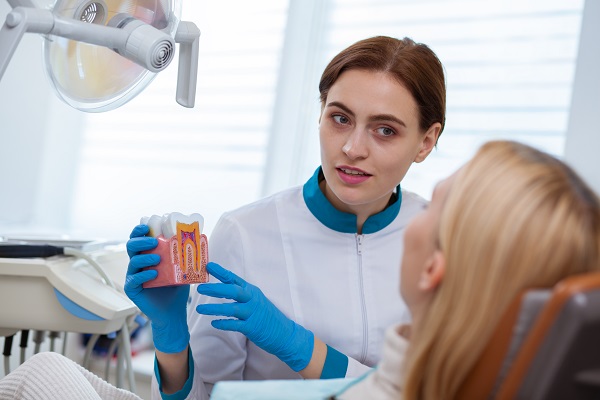
Has the anatomy of your teeth ever crossed your mind, like what makes up the tooth and helps it perform its functions? A tooth consists of the enamel, cementum, dentin, root, and the pulp.
When a tooth suffers trauma, especially to the enamel, it becomes prone to cavities, which may degenerate into a severe oral condition like gum disease. Knowing the parts of the teeth and the vital roles they play is essential to keep your oral cavity healthy, along with adequate oral care and dental checkups. Below are significant parts of the tooth anatomy and their roles.
The enamel is the protective shield that covers the exterior part of the tooth. It consists of hard minerals, such as calcium phosphate. The enamel is the hardest material on the human body and usually is hardy against cavity-causing bacteria. The mineral composition makes the enamel translucent.
The dentin makes up the greatest part of the tooth structure. It has similar features to the bone and is located beneath the enamel and the cementum. In contrast to the enamel that covers the teeth, the dentin is somewhat self-healing. This means that if the dentin deteriorates over time or due to cavities, the second layer of dentin will develop.
The dentin is a critical component of dental health — exposure causes tooth sensitivity, and excess degradation may cause oral health diseases.
The root not only holds the tooth in the jawbone, but it also ensures the jawbone remains healthy. The pulp is located in the root canal and is the only living section of the tooth. It is made up of nerves, living tissues, and arteries. The root keeps the pulp alive by transporting blood and nutrients to it from the jawbone. When you chew or bite, the tooth root promotes the transfer of vitamins and nutrients to the jawbone.
Knowing the benefits of the root to the jawbone’s health is crucial because you lose the root when you lose the tooth. This means the jawbone will no longer get stimulations (for strength and health) from the root. Without stimulation, resorption will occur, meaning the jaw with retrogressively deteriorate or recede, causing speech issues and biting problems.
The pulp is located in the tooth root, right in a hollow chamber. The number of chambers can range from one to three, depending on the type of tooth, and it houses the pulp and tooth root. This part of the tooth is highly sensitive and is tasked with ensuring the proper flow of blood and nutrients in the tooth to keep it alive.
To prevent jawbone loss or any oral disease, you need to practice proper oral hygiene. Knowing the basics of tooth anatomy will give you insights into the causes of oral health conditions so that you can teach your children about the importance of proper oral hygiene habits. If you have any more questions about oral hygiene, talk to one of our dental health professionals today.
Request an appointment here: https://www.rockcreekdentalcenter.com or call Rock Creek Dental Center at (301) 828-1774 for an appointment in our Rockville office.
Check out what others are saying about our dental services on Yelp: Teeth in Rockville, MD.
Botox® is no new word to our society today. The name is the registered trademark for botulinum toxin A. It is majorly known and used in the cosmetic surgery industry to …
Searching online for a dentist near me is often the first step toward improving oral health. However, finding a local dentist is only part of the process. To ensure long-term satisfaction, …
Dental emergencies can happen anywhere and at any time, so it is beneficial to have an emergency dentist. You should find a dentist before the need arises. Experiencing any dental emergency …
Learning when to take your child to a general dentist is necessary. While many children should be taken to see a dentist every six months, some children need to be seen …
Patients suffering from Temporomandibular Joint Disorder can be asked to receive Botox treatment.
Searching online for a dentist near me is often the first step toward improving oral…
Dental emergencies can happen anywhere and at any time, so it is beneficial to have…
All children need to undergo regular dental examinations in order to ensure that they are…
Gum disease treatment is most effective when started early, and a family dentist is the…
Clear braces are a discreet and effective way to straighten your smile, attracting patients from…